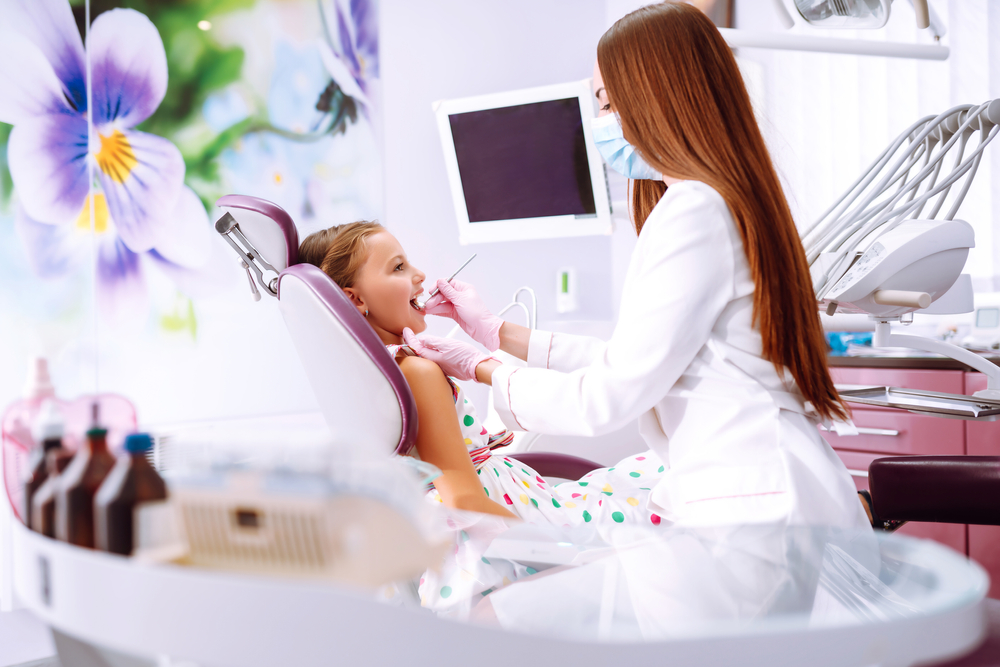
When is the right time for your kid to have their very first dental check-up with a dentist in Kitsilano? It is essential to know their first visit time, as it helps not only to maintain the child’s smile health but also to prevent dental problems at an early stage and make the child comfortable and confident with every visit to the dentist.
Why Does a Child’s First Dental Visit Matter?
Now a child’s smile develops rapidly along with his/her needs. The first dental visit for a child provides parents with valuable advice on brushing, healthy habits, and recognising the early signs of potential problems. The visit also helps the child understand that taking care of their teeth is a normal and safe thing, and dental care is not something to be afraid of.
When Should Kids See a Dentist for the First Time?
The first tooth or age one is the ideal time for a check-up, ideally within six months of that time. Visiting the dentist during the toddler years often involves pediatric dentistry in Kitsilano, where the dentist checks the child’s teeth and gums for development. A quick check to see if your baby is teething and has gum irritation and enamel problems.
Why Early Visits Are Important for Children
Many parents wonder why early dental visits are important for children, especially since baby teeth will eventually fall out. Baby teeth act as space holders for adult teeth and help with eating and speaking. Keeping them healthy means fewer problems in the future.
Visits to the dentist at an early stage keep the situation under control by:
- Detecting cavities at an early stage
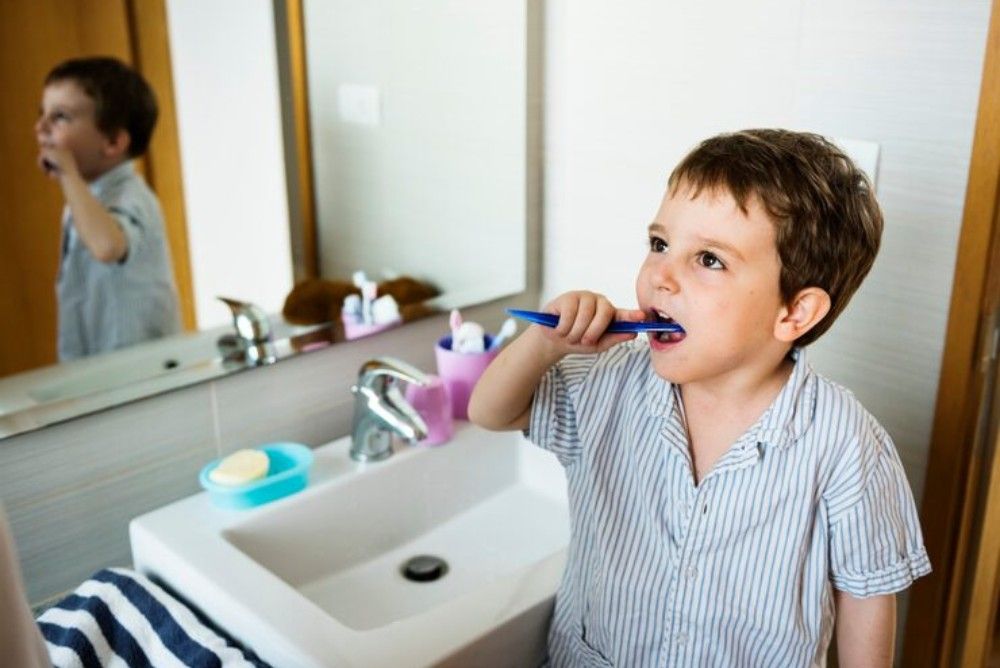
- Getting the children to learn correct brushing and flossing habits
- Avoiding gum disease
- Making children comfortable and safe in the dental chair
- Creating a good relationship with the dentist
How to Prepare Your Child for Their First Visit
A good first appointment sets the tone for the relationship. Simple steps can reduce anxiety and build excitement.
Try these tips:
- Read a fun book about visiting the dentist
- Keep the explanation light and simple
- Bring a favourite toy for comfort.
- Schedule the appointment when your child is rested
A friendly dentist near you can describe the tools and steps unsaid in a calm and friendly manner.
What Happens During the First Appointment?
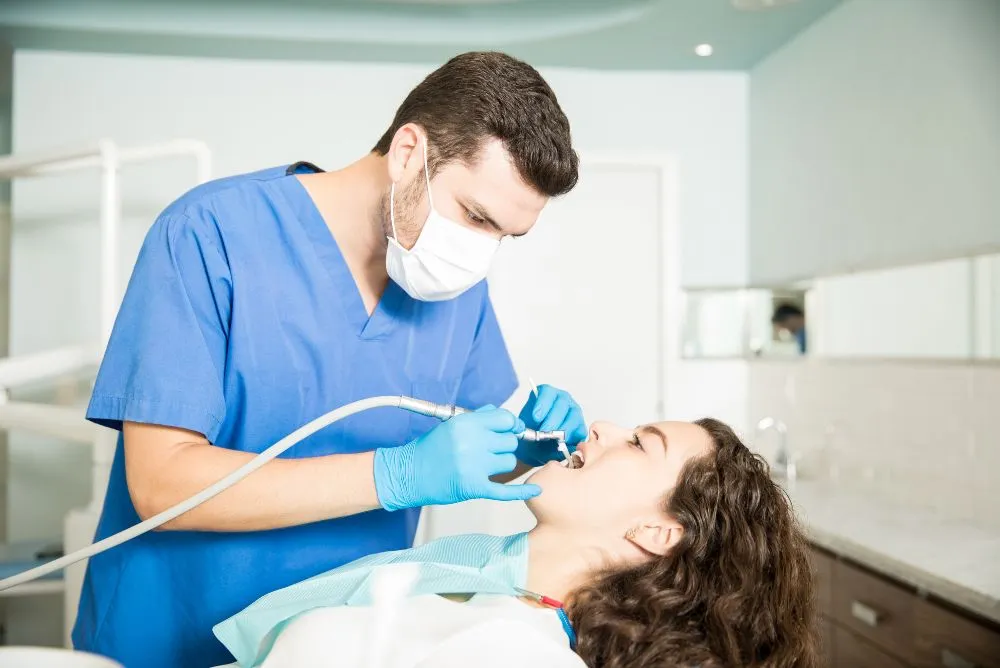
The first visit is typically gentle and brief. The dentist checks the teeth, gums, and jaw growth. Parents get advice on brushing, using fluoride, thumb sucking, and diet. When children have early dental visits, the dentist also explains how to avoid future problems, such as decay or misalignment.
Common Mistakes Parents Make With Early Dental Care
Understanding what to avoid helps keep your child’s mouth healthy:
Common mistakes include:
- Waiting until there is a problem
- Letting a child fall asleep with a bottle
- Brushing only once a day
- Skipping dental visits
- Giving too many sugary snacks
Each of these can lead to cavities, gum irritation, or enamel problems.
Signs Your Child May Need a Dentist Sooner
You must book a dentist’s appointment sooner rather than later if your child is showing any of these symptoms.
Watch for:
- White or brown spots on teeth
- Swollen or bleeding gums
- Trouble chewing
- Mouth breathing
- Pain while eating
If you see any of these, a quick trip can prevent discomfort and keep your child’s smile healthy.
Give Your Child a Bright, Healthy Start – Visit Today!
Do you want a simple way to set your child up for a lifetime of oral health? Bring your child to Broadway Smiles today so that they can help your child build strong habits, confident smiles, and lasting wellness that grows with them.
FAQs
When should I take my child to the dentist for the first time?
About one year of age or within six months of the first tooth.
How long is the first visit?
Generally, a quick and gentle visit is the norm, and the time is usually less than 30 minutes.
Will my child be hurt in the visit?
Not at all. The first visit is primarily a visual examination, with no drilling or treatment required.
What is the frequency of dental check-ups for children?
If possible, every six months is a good way to keep good dental health.