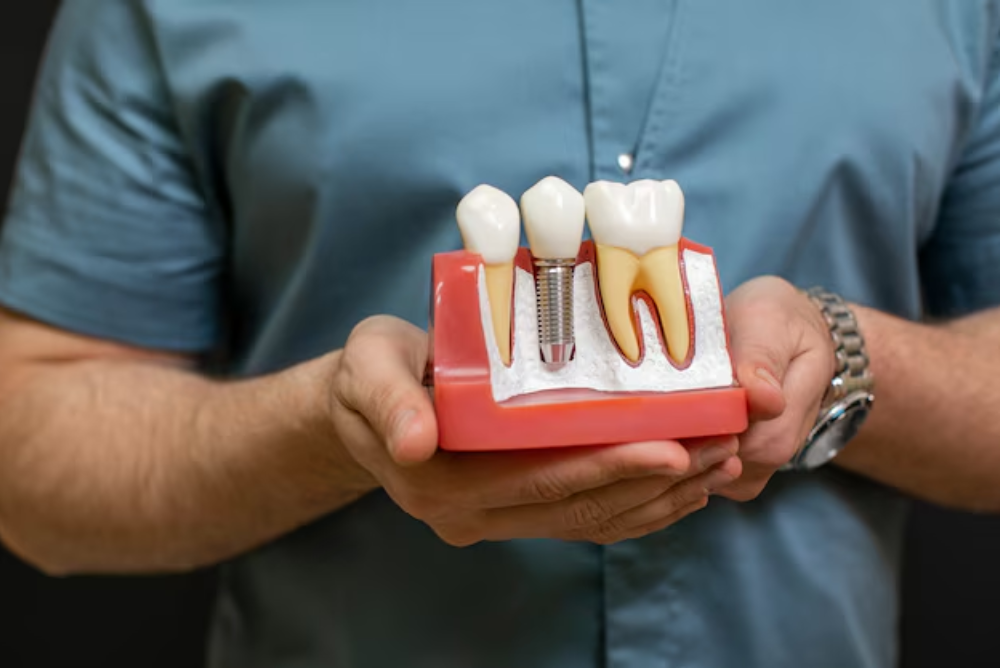
When replacing a missing tooth, choosing the right material is a major decision. The choice often comes down to titanium vs ceramic dental implants, each offering unique benefits.
Titanium offers decades of strength, while ceramic (zirconia) provides a natural, metal-free option for those with sensitivities.
Selecting the right professional is equally important when searching for Dental Implants Near You. Choose a team that can guide you.
Modern technology ensures both options deliver durable, functional, and aesthetically pleasing results.
The Proven Strength of Titanium
Titanium has been used in dentistry and medicine for over 50 years. Its greatest strength is its “biocompatibility,” meaning the human body generally accepts it without any issues.
This material is excellent at “osseointegration,” which is the scientific term for the bone growing tightly around the post to hold it in place like a real tooth root.
- Durability: Titanium is incredibly difficult to break and can withstand the heavy pressure of chewing for decades.
- Versatility: It is often used in two-piece designs, which gives the dentist more control over the angle and placement of the final crown.
- History: Because it has been used for so long, we have a vast amount of data showing that these implants can last a lifetime.
The Aesthetic Appeal of Ceramic Alternatives
Ceramic implants, usually made of zirconia, were developed to offer a metal-free option.
While they are still very strong, their biggest draw is their appearance. Because they are white, they look more like natural tooth roots than silver-colored metal posts.
- Natural Color: If you have thin or receding gums, a silver-titanium post may show through slightly. Ceramic stays white and invisible.
- Hypoallergenic: For the small percentage of people with metal allergies, ceramic offers a safe option for restoring their smile.
- Holistic Choice: Many patients prefer ceramic because they want to keep their dental work completely metal-free.
If you are currently looking for a dentist in Kitsilano, it is worth asking them which material they recommend based on the thickness of your gums and the location of the missing tooth.
Durability and Long-Term Success
When patients ask, “Which dental implant is better, titanium or ceramic?” the answer often depends on where the tooth is located.
For back molars that do most of the heavy grinding, the extreme strength of titanium is often the preferred choice. For front teeth, where the look is the most important factor, ceramic might have the edge.
Comparing Materials at a Glance
Maintenance and Oral Health Impact
Both types of implants require the same level of care as your natural teeth.
However, some studies suggest that ceramic may be slightly better at resisting plaque buildup due to its smooth, non-porous surface. This can benefit the health of your surrounding gums.
- Plaque Resistance: Ceramic surfaces may attract less bacteria than metal surfaces.
- Corrosion: Titanium is highly corrosion-resistant, but ceramic is completely immune because it contains no metal.
- Gum Integration: Both materials are well tolerated by gum tissue, allowing for a tight seal that prevents food from becoming trapped.
A dentist near you can perform a thorough exam to determine which material will integrate best with your specific bone density and gum type.
Making the Final Decision
The “better” implant is the one that meets your specific physical needs and personal preferences. If you want a proven, ultra-strong solution that has been used for generations, titanium is the winner.
If you are stressed about a metal allergy or looking for a natural-looking smile, choosing ceramic is the way to go.
Restore Your Smile with Confidence
Choosing between metal and ceramic is an important step in your dental journey. Both offer a strong, lasting foundation for a healthy, confident smile.
At Broadway Smiles, we create personalized treatment plans tailored to your health needs and aesthetic goals. Contact us today to schedule your consultation.
Frequently Asked Questions
Can I be allergic to titanium implants?
While extremely rare, some people have a nickel or metal sensitivity that can cause inflammation; in those cases, ceramic is the perfect alternative.
Is ceramic more expensive than titanium?
Yes, ceramic implants cost a bit more because the material is more expensive to produce and requires more specialized equipment to place.
Do ceramic implants break more easily?
Ceramic is very strong but less flexible than metal, so it can occasionally crack under extreme pressure, unlike titanium.
How long do these implants last?
Both types are designed to be permanent solutions, though titanium has more long-term data proving it can last 25 years or more.